


Be yourself” sounds like simple advice until you actually try to live it. In theory, authenticity should feel natural. In practice, being yourself can be one of the hardest tasks of a lifetime. It requires honesty, courage, self-awareness, and the willingness to stop arranging your life only around other’s expectations.
In a world shaped by comparison, performance, speed, and constant visibility, being yourself has become both more difficult and more necessary. Many people are no longer simply living their lives; they are curating them. They are managing impressions, editing emotions, measuring success through external approval, and trying to remain acceptable in environments that often reward sameness more than truth.
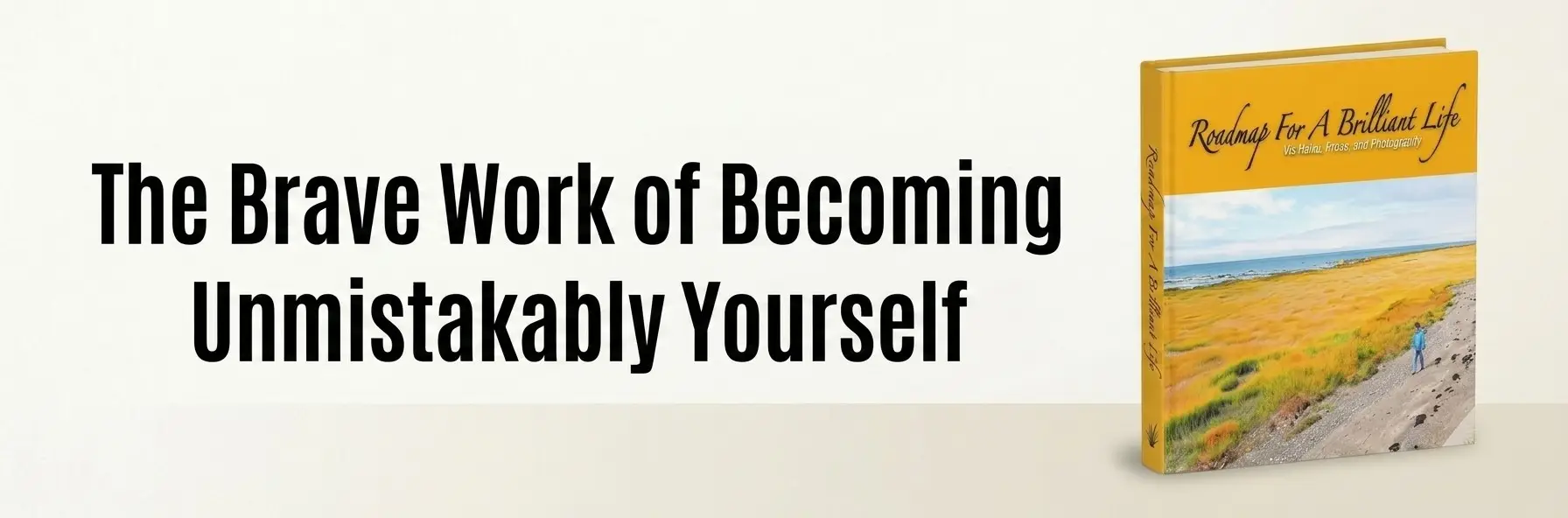
Roadmap For A Brilliant Life invites readers into a different kind of life—one guided more by inner alignment than mere performance. It suggests that authenticity is not a personality trait some people naturally possess. It is a practice. It is a way of returning, again and again, to the person you were born to become.
Why Being Yourself Feels So Difficult
Being yourself is difficult because belonging matters. Human beings are relational. We want to be loved, accepted, respected, and included. From an early age, we learn which parts of ourselves receive approval and which parts make others uncomfortable. We adapt in order to stay connected.
Some adaptation is healthy. It allows us to function in families, workplaces, friendships, and communities. But when adaptation becomes self-erasure, the cost is too steep.. A person may become so skilled at being agreeable, useful, impressive, or untroubled that they lose contact with their own needs, desires, and convictions.
This is why authenticity often begins with discomfort. It asks us to admit when a role no longer fits. It asks us to stop mistaking approval for belonging. These realizations can be unsettling, but they also open the door to a more truthful life.
The Modern Pressure to Perform
Today, the pressure to perform is nearly constant. Social media, professional branding, productivity culture, and public comparison can make ordinary life feel like a stage. People are encouraged to appear successful, happy, attractive, calm, and purposeful—even when they are confused, grieving, tired, or unsure.
This pressure does not only affect how people present themselves online. It can shape how they make decisions. They may choose paths that look impressive rather than ones that feel meaningful. They may stay in situations because leaving would disrupt an image. They may silence parts of themselves that do not fit the version others expect.
The danger is subtle. A performed life can still look successful. It can still earn compliments. It can still produce visible achievements. But if the performance continues too long, the person underneath may become harder to hear.
The Cost of Not Being Yourself
The cost of not being yourself often appears gradually. At first, it may look like fatigue. Then resentment. Then numbness. Then the vague sense that something is missing, even when life appears fine on the surface.
When people repeatedly suppress their truth, they lose energy. Maintaining a false self requires constant effort. You must remember what to hide, how to behave, what not to say, and which parts of yourself are allowed in the room. Over time, this can create emotional distance not only from others, but from yourself.
You Lose Clarity
When your life is organized mostly around external expectations, it becomes harder to know what you genuinely want. Your inner compass weakens. Decisions become reactive. You may find yourself asking what would look right instead of what feels true.
You Lose Joy
Joy often comes from alignment. It appears when your actions, values, and relationships feel connected. When you live too far from yourself, joy may become rare or conditional. You may experience achievement without aliveness.
You Lose Depth in Relationships
If people only know the version of you that performs, they cannot fully love the person underneath. Authenticity makes real intimacy possible because it allows others to meet you where you actually are.
Conclusion
Being yourself is harder than it sounds because it asks you to risk disapproval, release old performances, find new places to belong, and listen more deeply than the noise around you. It asks you to stop confusing acceptance with authenticity and success with fulfillment. It asks you to become honest about the life you are actually living.
But it is also more important than ever. In a culture that rewards appearance, authenticity becomes a form of courage. In a world full of noise, the true self becomes a compass. In a life marked by change, being rooted in who you are helps you move through each stage with greater clarity and grace.
Roadmap For A Brilliant Life reminds us that becoming yourself is not a single decision. It is a lifelong practice of noticing, releasing, choosing, and beginning again. You do not have to become someone extraordinary to live brilliantly. You have to become more fully, honestly, and unmistakably yourself.